

Anxiety and Addiction: Dual Diagnosis Treatment
Anxiety and addiction co-occur in roughly 1 in 5 adults with substance use disorder. Learn how integrated dual diagnosis treatment actually works in 2026.
Anxiety and addiction co-occur in roughly 1 in 5 adults with substance use disorder. Learn how integrated dual diagnosis treatment actually works in 2026.

Alcohol rehab in Nashua, NH: what IOP, PHP, MAT, and outpatient care look like, insurance options, and how Nashua residents start treatment in southern NH.

Does Xanax show up on a drug test? Yes — with caveats. Detection windows, panel types, false negatives, and when dependence signals a bigger issue.

Learn the physical, behavioral, and psychological signs of opioid addiction, DSM-5-TR criteria, and how dependence differs from opioid use disorder.

How to help an alcoholic spouse: signs of AUD, evidence-based CRAFT steps, boundary scripts, and when to reach out to a treatment team for support.

Alcohol rehab in Manchester, NH: what IOP, PHP, MAT and dual-diagnosis look like, insurance accepted, and how Manchester residents start outpatient care.

How long does alcohol stay in your system? Detection windows for breath (24h), blood (12h), urine EtG (80h), saliva (24h), and hair (90d) - explained.

Alcohol rehab in Boston without stepping away from work or family. Clear Steps Recovery's outpatient program serves the Boston metro from Needham, MA.

A practical guide to finding addiction treatment in southern New Hampshire — outpatient programs, MAT, detox options, and local recovery resources.

A 12 step program is a peer-led recovery framework pioneered by Alcoholics Anonymous. Learn the history, the evidence base, and credible alternatives like SMART Recovery.

Naltrexone is an FDA-approved, non-addictive medication for alcohol and opioid use disorder. Learn how it works, who qualifies, and where to access care.

Stages of change in addiction recovery explained: the six-stage Prochaska model, how to know which stage you're in, and what helps at each step.

Caffeine withdrawal is a DSM-5-TR diagnosis with a 2-to-9-day timeline. See symptoms, peak hours, and evidence-based management for headache and fatigue.

Suboxone is a buprenorphine-naloxone medication used to treat opioid use disorder. Learn how it works, what induction looks like, and how to access care.

Mixing ibuprofen and alcohol raises your risk of GI bleeding, kidney strain, and liver load. Learn the real risks, safer timing, and when to seek help.

Alcohol is classified as a psychoactive drug by the DSM-5-TR, NIAAA, and NIDA. Learn how doctors define it, why cultural framing differs, and when treatment helps.

Self-awareness is one of the most powerful tools in addiction recovery. Learn how recognizing your triggers, emotions, and patterns can prevent relapse and build lasting sobriety — with clinical insight from Dr. Richard A. Marasa, MD.

Day Treatment (PHP) provides 20-30+ hours of weekly clinical structure for stabilization, while IOP offers 9-12 hours of flexible evening sessions for people balancing work and family. Board-certified addiction medicine specialist Dr. Richard A. Marasa explains how to choose the right level of care for lasting recovery.

Wondering why you’re experiencing bloating after quitting alcohol? Learn common causes, how long it lasts, and tips for easing discomfort during recovery.
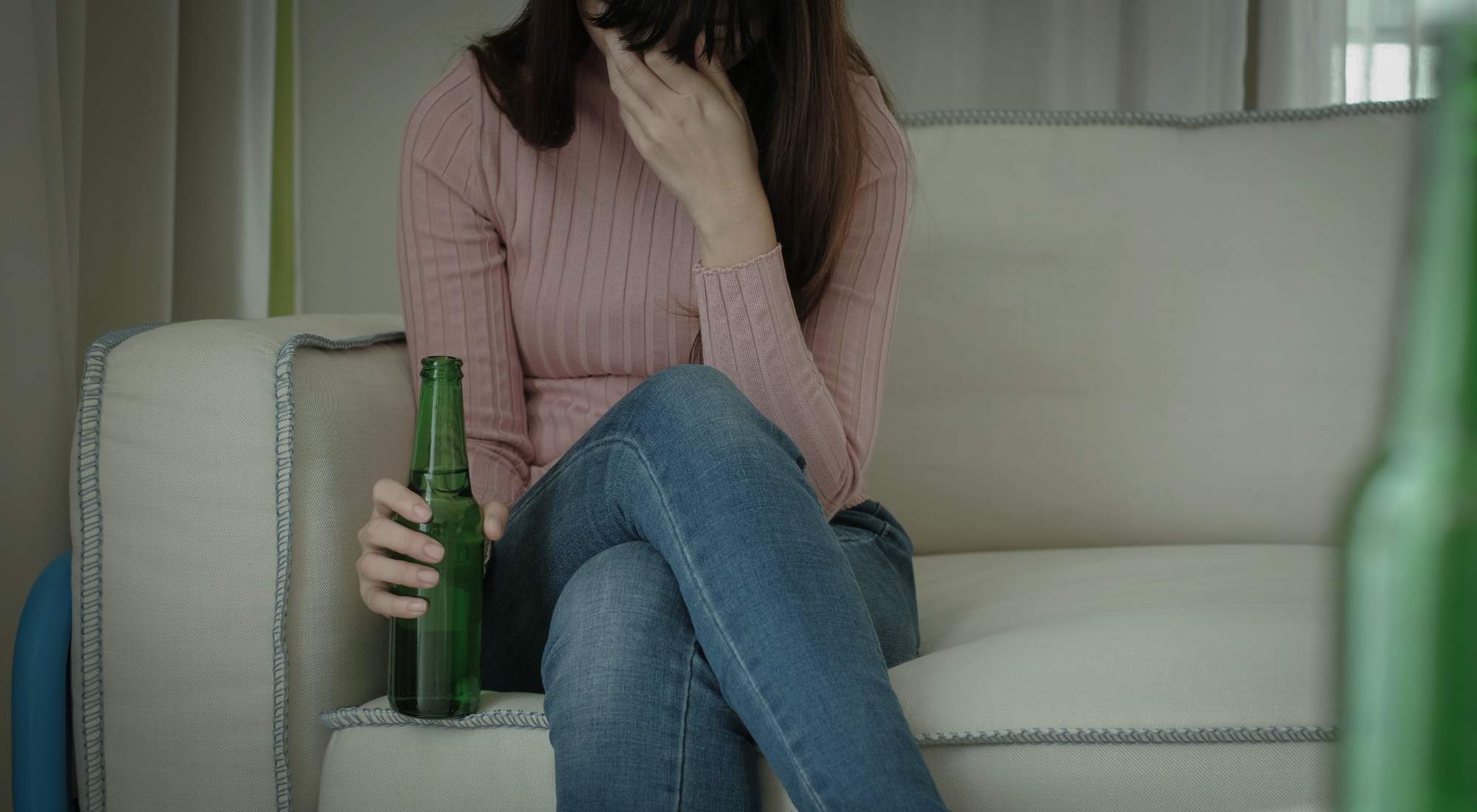
Is it safe to drink while taking Valtrex, and what are potential side effects? Clear Steps Recovery helps you understand risks of combining alcohol and Valtrex.

Heavy drinking damages more than the liver — it can permanently impair your eyesight. Board-certified addiction medicine specialist Dr. Richard A. Marasa, MD, MBA explains how alcohol causes blurred vision, optic nerve damage, and even blindness, plus when vision loss becomes irreversible and how treatment can help.
An AA sponsor is a sober mentor who guides you through the 12 Steps, offers accountability, and supports long-term recovery. Board-certified addiction medicine specialist Dr. Richard A. Marasa, MD, MBA explains the role of sponsorship in AA, how to find the right sponsor, and why research shows sponsees achieve significantly better sobriety outcomes.
Are you struggling with addiction to purple heroin? Learn why it is harmful and how you can end your dependency with the team at Clear Steps Recovery.
Words have power! Discover what to say to someone in rehab and how supportive language can inspire hope, motivate recovery, and show you care.](/articles/recovery-words-of-wisdom) [March 29, 2026 ### Substance-Induced Anxiety Disorder: Causes, Symptoms & Treatment Substance-induced anxiety disorder develops when drugs, alcohol, or medications trigger persistent anxiety symptoms. Learn the causes, warning signs, and evidence-based treatments available at Clear Steps Recovery in New Hampshire and Massachusetts.
"Acceptance is the answer to all my problems today" — a line from the AA Big Book that transforms recovery. Learn how acceptance reduces relapse risk, rebuilds relationships, and creates lasting sobriety. Reviewed by Dr. Richard A. Marasa, MD, MBA.
Drug-induced psychosis is a serious mental health emergency triggered by substance use. Learn the warning signs, which drugs cause psychosis, how long it lasts, and evidence-based treatment options available at Clear Steps Recovery in New Hampshire and Massachusetts.
Why do people turn to drugs? A clinical look at 10 evidence-based reasons — from trauma and mental health to genetics and environment — plus how treatment helps break the cycle.
You have a headache, but you’ve also just had a few drinks. Is it okay to take some aspirin? Discover potential risks of combining aspirin and alcohol.
Alcohol doesn't directly cause stomach ulcers, but heavy drinking damages the stomach lining and worsens existing ulcers. Learn how alcohol impacts gut health and when to seek help for alcohol use disorder.
Custom orthotics can help manage alcoholic neuropathy symptoms like numbness, instability, and foot pain. Board-certified addiction medicine specialist Dr. Richard A. Marasa, MD, MBA explains how orthotics improve balance and mobility -- and why stopping alcohol use is the most important step toward nerve recovery.
Why do some people relapse when life is going well? Learn 7 key factors — from overconfidence to unresolved mental health issues — that drive relapse during good times, and how aftercare programs can help protect long-term sobriety.
Medically reviewed guide exploring why people drink alcohol — from stress and grief to genetics. Learn the signs of alcohol misuse and treatment options.
What percentage of people relapse after rehab? Research from NIDA shows 40–60% of individuals in recovery experience relapse — comparable to other chronic conditions. Learn the latest relapse statistics by substance, risk factors backed by clinical research, and evidence-based strategies that reduce relapse rates at Clear Steps Recovery.
The Three Principles of Health Realization is a psychological approach used in a variety of applications. Learn more about its applications and benefits.](/approach/health-realization/three-principles) [March 29, 2026 ### Virtual IOP: A Flexible, Evidence-Based Approach to Recovery Virtual Intensive Outpatient Programs (IOP) deliver structured addiction and mental health treatment from home — with proven outcomes, flexible scheduling, and clinical support. Learn how virtual IOP works, who it helps, and why completion rates exceed traditional programs.](/care/virtual-iop/massachusetts) [March 29, 2026 ### How to Set Boundaries With a Spouse Battling Addiction Learn how to set healthy boundaries with a spouse struggling with addiction. Medically reviewed guide covering communication strategies, clear consequences, self-care, and when to seek professional help. Includes SAMHSA helpline and treatment resources.](/for-families/setting-boundaries) [March 29, 2026 ### Success Stories from MAT Participants: Real Recovery Journeys Real success stories from Medication-Assisted Treatment (MAT) participants show how combining FDA-approved medications with counseling helps people overcome opioid addiction, reduce overdose risk by nearly 60%, and build lasting recovery.
Board-certified addiction medicine specialist Dr. Richard A. Marasa, MD, MBA explains the FDA-approved medications used in medication-assisted treatment (MAT) for opioid and alcohol addiction, including buprenorphine (Suboxone), methadone, naltrexone (Vivitrol), acamprosate, and disulfiram, with evidence-based outcomes from NIDA research.
Health Realization programs help individuals in addiction recovery access innate well-being by transforming thought patterns. Learn how this evidence-based approach reduces anxiety, builds resilience, and supports long-term sobriety at Clear Steps Recovery.
Learn the most common Xanax side effects, dangerous drug interactions, overdose warning signs, and when to seek help. Medically reviewed by a board-certified addiction specialist.
Learn how dual diagnosis programs treat co-occurring mental health and substance use disorders together for better recovery outcomes at Clear Steps Recovery.
Detoxing from drugs or alcohol can bring intense symptoms. Learn the real signs of withdrawal, when it's dangerous, and why medical detox may be the safest path forward.
Learn who qualifies for free rehab centers, including Medicaid, state-funded programs, and sliding-scale options. Find out how to access affordable addiction treatment in New Hampshire and Massachusetts.
Learn how long heroin stays in your system by test type — urine (2-7 days), blood (6 hours), saliva (5-48 hours), and hair (90 days). Medically reviewed detection timelines, factors that affect results, and when to seek help.
Planning a sober vacation? Learn how to enjoy alcohol-free travel with expert tips from Dr. Richard A. Marasa and Clear Steps Recovery. Destinations, self-care strategies, and relapse-prevention advice for vacations in recovery.
The inspiring story of Robert Downey Jr.'s battle with addiction, arrests, prison time, and his incredible journey to sobriety and Hollywood comeback.
Research shows 38% of homeless individuals struggle with alcohol dependence and up to 26% abuse other drugs. Learn how substance use disorders and homelessness fuel each other — and how integrated treatment programs like those at Clear Steps Recovery break the cycle.
Drug and alcohol abuse can enlarge your heart and lead to heart failure. Learn which substances cause cardiomyopathy, warning symptoms, and treatment options.
Empower yourself! Discover how to cope with hurtful words from addicts and find support. Don't let their remarks define you.](/for-families/what-families-can-do) [March 29, 2026 ### Can You Get Addicted To Peptides? Demystifying peptides and addiction: Can you really get hooked? Unraveling the truth behind dependency and its effects.
Reaching one year of sobriety is a major milestone. Learn what to expect in your first year sober, how to overcome PAWS, build support systems, and celebrate your recovery journey.
Mixing Effexor (venlafaxine) with alcohol can intensify sedation, impair judgment, increase bleeding risk, and worsen depression. Learn what the FDA and NIH say about this dangerous combination and how to get help.
Secular sobriety programs like SMART Recovery, SOS, and Life Ring offer evidence-based alternatives to 12-step programs. Learn how science-backed, non-religious recovery works — and how Clear Steps Recovery integrates these approaches into personalized addiction treatment in New Hampshire and Massachusetts.
Opioids, benzodiazepines, and stimulants top the list of most abused prescription drugs. Learn the warning signs of misuse and where to find help. Medically reviewed.
Unveiling the hidden connection: alcoholism and vertigo. Explore the impact, consequences, and management options for this complex duo.
Discover the power of healthy addictions! Boost well-being, conquer stress, and build positive habits for a balanced life.
People on the autism spectrum face a higher risk of developing substance use disorders, yet this connection remains widely overlooked. Learn about the factors linking autism and addiction, effective treatment approaches like CBT, and how to find specialized dual-diagnosis care.
Alcohol leaves your system at a rate of about one standard drink per hour, but detection windows vary by test type. Learn the factors that affect alcohol metabolism, how long alcohol shows up in blood, urine, breath, and hair tests, and when to seek help if you're struggling to control your drinking.
Drinking 12 beers a day can shorten your life by 24 to 28 years. Dr. Richard A. Marasa, MD explains the organ damage, disease risks, and warning signs that heavy daily drinking is already taking a toll — and what you can do right now to change course.